Humidity and your collection
A practical guide to measuring, controlling, and storing trading cards in humid conditions.
Published 2026-10-30
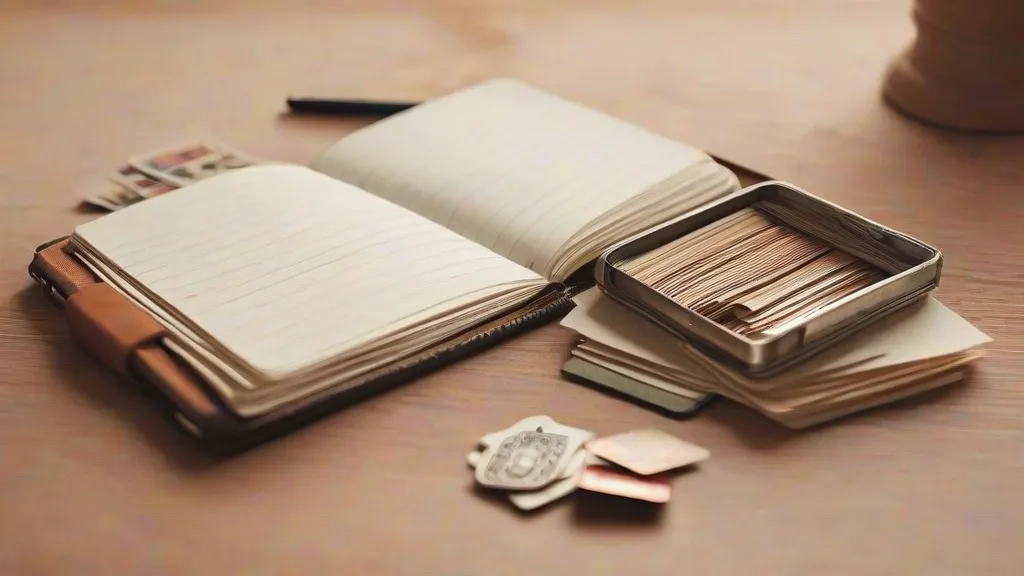
Humidity affects paper cards through the moisture they absorb and release. The goal is not to seal cards away from air forever. It is to keep their storage area stable and dry enough that paper, ink, and coatings are not stressed by repeated swelling and shrinking.
Start with measurement. A small hygrometer placed where cards are stored gives you a reading you can act on. Keep a simple log: date, time, temperature, and relative humidity. Morning and evening readings over a week show whether the space is steady or swinging.
Measure before you change anything
Put the hygrometer at card level, not on a high shelf. Leave it for a few hours before trusting the first reading. Record the daily high and low. If the spread is wide, fix the storage location before buying more supplies. A stable room is easier on cards than a room with big swings.
Use a simple week-long check
Log readings in the morning and evening for seven days. Compare the highest and lowest humidity numbers. A small gap means the storage area is steady. A large gap means cards are taking on and losing moisture repeatedly. Use that gap to decide where to move the boxes, not a single reading from one moment.
Control moisture at the source
Find the source: damp walls, open windows, wet laundry, or a basement floor. Move cards away from exterior walls and floors. Use a dehumidifier only with a hygrometer nearby, and empty its tank regularly. Silica gel packets can help inside closed boxes, but they need replacing and are not a substitute for fixing a damp room. Keep boxes off concrete and a few inches from walls.
Store and handle cards consistently
Keep cards in sleeves and rigid boxes. Avoid stacking heavy boxes against damp surfaces. Do not store cards in attics, basements, garages, or near bathrooms and kitchens. When handling, keep hands clean and dry; avoid breathing directly on cards. If you move cards between rooms, let closed boxes adjust before opening them.
Watch for warning signs
Check for curling, wavy edges, sticking sleeves, musty smell, or condensation inside plastic cases. Condensation is a clear signal to reduce moisture and improve air movement. Photograph problem cards and isolate them from the rest. Do not use heat to dry cards; move them to a stable, drier space.
Should I put silica gel in every box?
Use it where a box is closed and the room is already under control. Replace packets when they are saturated. Do not rely on them to dry a wet room.
Is a dehumidifier enough?
No. It helps only if the room is closed and monitored. Check the tank, the drain, and the hygrometer reading. Fix leaks and damp walls first.
How often should I check?
Check the log weekly in normal weather and more often during rainy or humid spells. Look at both the highest and lowest readings, not just one number.