How to start a collection without wasting money
A practical start-up plan for building a collection with a clear scope, a spending cap, and a purchase log.
Published 2026-10-30
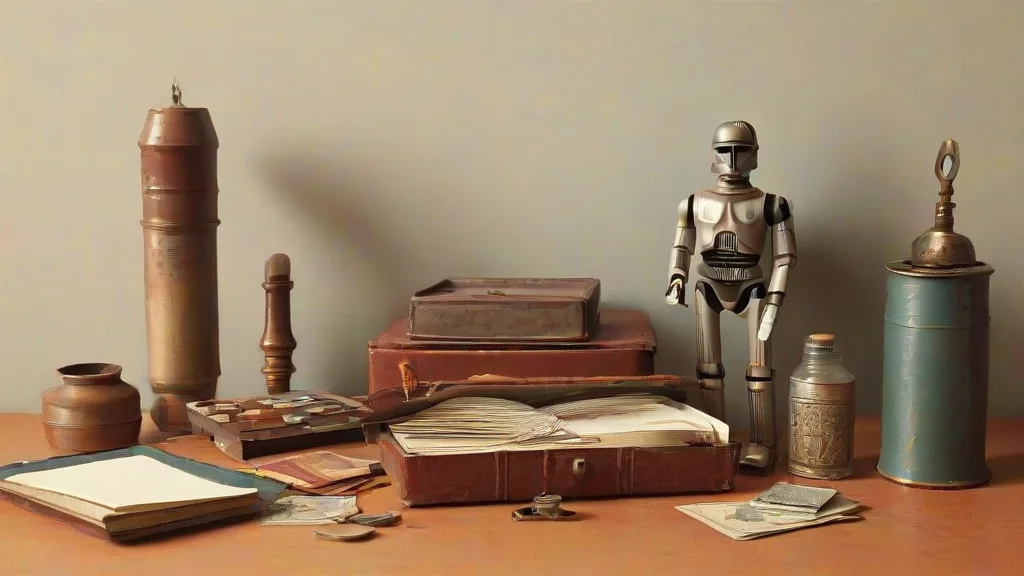
Start with a narrow subject and a written spending limit. A collection grows better when each purchase has a reason and a place to go. Pick one category, such as a single toy line, a card set, or a theme. Write down what belongs and what does not. Keep that list where you shop.
Set a monthly cap before you browse. Use cash or a separate account for collection money. When the cap is gone, stop. This protects your budget and forces choices. A simple spreadsheet or notes app can track purchases, condition, and storage location.
Define the collection
Choose a scope you can describe in one sentence. Examples: 'carded action figures from one line' or 'trading cards from one artist.' A clear scope stops random buys. Decide which conditions you accept. For loose toys, note missing parts. For cards, note wear. If you cannot state why an item fits, leave it.
Set rules before shopping
Write three rules: maximum spend per item, maximum spend per month, and a waiting period for unplanned buys. A 24-hour wait is enough to separate interest from impulse. Keep a wish list ranked by priority. Buy only from the top of the list unless a rare chance appears. Check return policies and shipping costs before checkout. Shipping can turn a good deal into a bad one.
Buy singles and used items
Singles and used items often cost less than sealed boxes. For cards, buy the specific card you want instead of packs when your goal is a finished set. For toys, inspect photos for joints, paint, and missing accessories. Ask sellers for extra photos. Buy from sellers with clear return terms. Avoid lots that include many duplicates unless you can trade them.
Track spending and storage
Log every purchase the same day: item, amount, date, seller, condition, and storage box. A spreadsheet or notes app works. Review the log monthly. If a category is over budget, pause it. Store items away from sunlight and damp. Use labeled boxes and acid-free sleeves for cards. Keep receipts and photos for insurance or resale.
Trade and sell to improve
Duplicates and out-of-scope items can fund better purchases. Trade with local collectors or sell extras. Use the money from sales to refill your collection budget, not to raise it. Before buying more, ask whether the new item replaces something or adds a new gap. A collection is stronger when every item earns its place.
How do I avoid impulse buys?
Use a wish list and a waiting period. Leave an item in the cart for a day. If it still fits your scope and budget, buy it. If not, skip it.
What should I track first?
Track amount spent, item name, condition, and storage location. These four fields answer most budget and organization questions.
Should I buy sealed products or singles?
Buy singles when you want a specific item or set. Sealed products suit collectors who value the unopened package. Match the format to your goal and budget.