What to do with duplicates
A practical routine for sorting, storing, trading, and moving duplicate toys and cards without letting them pile up.
Published 2026-10-30
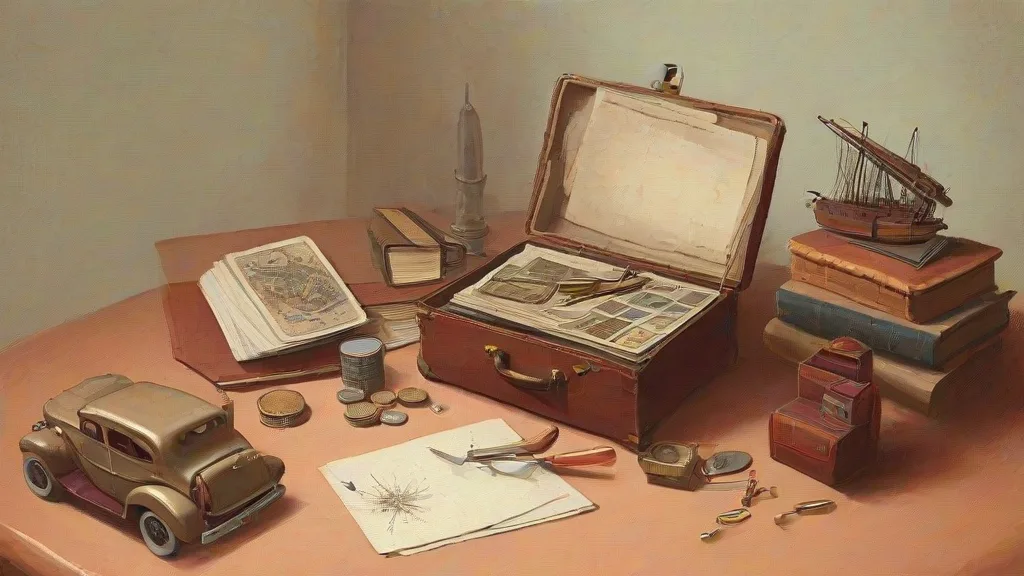
Duplicates arrive for ordinary reasons: you buy a second pack for a variant, a lot includes cards you already own, or a toy line repeats a character. The goal is not to keep every copy. The goal is to decide what each duplicate is for, then act before the pile becomes clutter. Start with one box or binder section at a time. Sort by item type, set a keep limit, and move the rest through a clear path: collect, trade, give away, or recycle.
Sort before you decide
Empty a single box or binder page onto a flat surface. Group duplicates by name, set, or character. Put one copy in a keeper pile and all extras in a second pile. Check condition as you sort: bent corners, paint rubs, missing parts, and loose joints matter. Keep the best copy for your collection and mark the others as extras. Do not mix duplicates back into the main collection until you have decided their fate. A simple spreadsheet or collection app helps here; list item name, set, condition, and quantity so you can see how many extras you actually have.
Set a keep limit
Pick a number of copies you are willing to store for each item. One for display, one for play, and one sealed copy is a common limit, but the number is yours. Write the limit down. When a new duplicate arrives, compare it with the limit before it goes into storage. If you are over the limit, the new copy goes straight to the trade or give-away box. This prevents duplicates from quietly filling shelves. For cards, use the same rule for playsets and binder copies. Keep a small upgrade slot for a better-condition copy, and move the worse one out.
Build a trade box
Keep a labelled box, binder, or card box for duplicates you are ready to move. Sort it by set or category so you can find items during a trade. Add a note with condition and quantity. When you meet another collector, bring the trade box and a short want list. Trade duplicates for items on your list rather than taking random extras home. If you sell, bundle duplicates by set or character instead of listing every copy one by one. For local giving, ask a school, club, or community group what they can use, then deliver only what they accept.
Store the rest cleanly
Store kept duplicates away from direct sunlight and damp. Use acid-free sleeves for cards and clear bins for toys. Label bins by set or category. Keep the trade box separate from the permanent collection so you do not re-sort the same items. Review the box on a set schedule, such as before a collector meetup or at the end of a season. If an item has been in the trade box for a long time and has no clear use, move it to donation or recycling. The point is to keep a path out, not to build a second collection of extras.
How many duplicates should I keep?
Use a written limit for each item. One display copy plus one play or trade copy is enough for many collectors. Adjust the number to your space.
What is the fastest way to sort a large pile?
Work in small batches. Sort by set or character first, then check condition. Keep the best copy and put extras in a trade box.
Should I use an app or spreadsheet?
Either works. Record item name, set, condition, and quantity. The tool matters less than updating it when duplicates arrive.