Why shops buy collections
A shop buys collections because sorted inventory sells faster than one-off buys, but the offer has to survive sorting time, condition checks and slow stock.
Published 2026-10-30
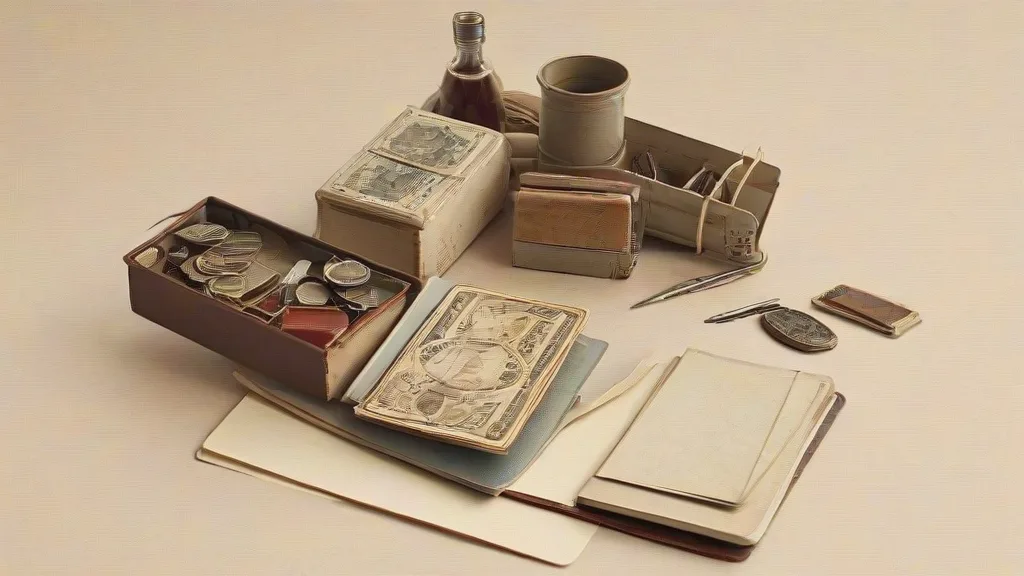
Shops buy collections to fill inventory in one transaction. A single collection can supply common cards, toys, binders, boxes and the occasional better item. The shop then sorts, prices and sells what its customers already ask for.
That does not mean every collection is a good buy. A shop has to pay for the whole lot, carry the slow items and spend time sorting. The offer reflects that work.
What a shop is actually buying
A collection is not valued at retail. A shop looks at the sellable core: cards or toys that match its current buyers. It also looks at bulk, duplicates, condition and storage. Fast-selling items support the offer. Slow items may be passed over or priced at near zero in the deal. The shop is buying inventory and taking on the sorting job.
The math behind an offer
Use a simple formula: expected resale after sorting, minus labor, supplies, fees, shipping and a target margin, equals the offer ceiling. In a spreadsheet or collection tool, list each category, count, condition and likely sell-through. Then subtract the time to sort, photograph and list. If the math leaves no room, the shop passes or lowers the offer. A collection with many low-value items can still be useful, but only if the labor is low and the bulk sells.
How to prepare a collection
Separate by category and condition. Keep better items apart from bulk. Count what you have, note duplicates and remove trash or damaged goods. Check that sets are complete where that matters. Photograph the whole lot and any better items. Ask several shops what they buy and what they pay on. Get offers in writing, including whether it is cash or trade and who handles pickup.
What to ask before you accept
Ask how the shop values bulk, duplicates and slow stock. Ask if the offer changes after inspection and what happens to items it rejects. Confirm payment timing and pickup. Compare offers on the same prepared lot. A higher offer with vague conditions may not be better than a clear lower one.
### Do shops buy only rare cards?
No. Many shops buy commons and bulk because they sell to players and builders. The offer for bulk will be lower per item, and condition and sorting matter.
### Should I sort before getting a quote?
Yes. Sorting helps the shop see what is there and shows you did the prep. It also lets you compare offers on the same categories.
### Is trade credit better than cash?
Trade credit can stretch the same deal if you will spend it in the shop. Cash is simpler. Compare both on the full lot, not on one item.